

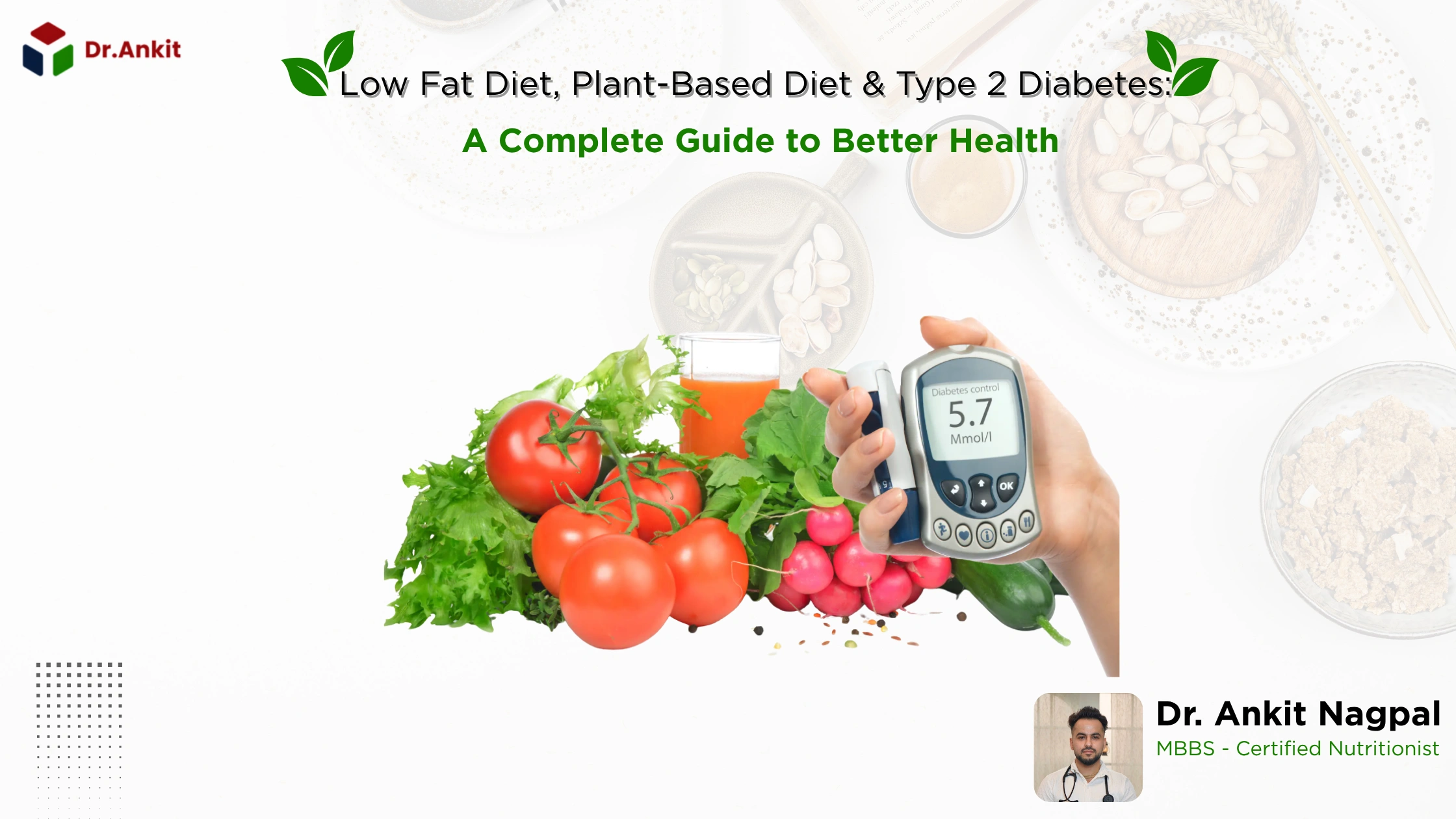
Diabetes care is not just about taking medication but about adopting sustainable lifestyle changes, such as dietary modifications. And the most effective of all the nutritional interventions is low fat diet in combination with plant based diet in the management of type 2 diabetes.
Then we will learn how they are combined and why this is one of the best in class strategies to reverse and regain control of type 2 diabetes.
Understanding Type 2 Diabetes and the Role of Diet
Type 2 Diabetes is a long-term condition of the body that does not effectively respond to insulin or simply not produce enough insulin. The single biggest contributor to this lifestyle was the poor diet, the intake of highly processed foods, unhealthy fats and refined sugars.
A balanced, low-fat diet minimizes strain on the body by reducing saturated fat, which has been shown to negatively affect insulin resistance, while providing a combination of plant nutrients, fiber, and antioxidants that naturally help balance blood glucose.
The impact of nutrition is significant not just for the management of diabetes but also on its complications like cardiac problems, obesity, metabolic problems etc.
What is a Low Fat Diet?
A low fat diet emphasizes limiting the consumption of total fats, particularly those considered unhealthy (such as saturated and trans fats). It rather promotes consumption of minimally processed foods that are naturally low in fat.
Key principles of a low fat diet:
- Reducing oil, buters and fried consumed in the diet.
- Avoiding processed and packaged snacks
- Selection of lean and plant-derived foods
- Preparation techniques such as pan steaming, boiling, grill roasting.
Lowering your fat consumption will allow your cells to be more sensitive to insulin allowing your body to better use the glucose.
What is a Plant-Based Diet?
A plant-based diet consists primarily of foods from plants, such as vegetables, fruits, grains, beans, nuts, and seeds. It does not mean avoiding all animal products, but instead choosing toeat most of your foods from plants.
This diet is naturally rich in:
- Fiber
- Vitamins and minerals
- Antioxidants
- Phytochemicals
helping to control your type 2 diabetes by maintaining a slow absorption of glucose and inhibiting any sudden increase in blood sugar levels.
Why Combine a Low Fat Diet with a Plant-Based Diet?
To sum it up, together, both a low fat diet and a plant based diet offer a great package for health; both comprising of their numerous health benefits. However… as a package
Key benefits of this combination:
1. Improved Insulin Sensitivity
Less fat can enable insulin to work more effectively, while plant based foods lead to more efficient glucose metabolism.
2. Better Blood Sugar Control
High-fiber foods, such as in a plant-based diet, make digestion slower and make blood sugar more stable.
3. Natural Weight Management
Obesity is also one of the risk factor for insulin resistance. This combined method helps in reducing calorie density without sacrificing nutrition. This has been increasingly accepted by patients for weight reduction and weight loss.
4. Reduced Risk of Complications
A moderately low fat, plant-based diet will actually help to lower cholesterol, and help promote a healthy heart, and may even help to block the development of diabetes.
Best Foods to Include in a Low Fat Plant-Based Diet
It’s about choosing the correct foods so you get the best Results.
Vegetables
- Spinach, broccoli, cauliflower, carrots
- Fiber and nutrients-rich greens
Fruits
- Apples, berries, oranges, guava
- Plenty of an and decreases the intake glucose.
Whole Grains
- Oats, rice, brown rice, Quinoa, bread wheat
- Supply you with long-lasting energy and enhance digestion
Legumes
- Lentils, chickpeas, kidney beans
- Excellent source of plant-based protein
Nuts & Seeds (in moderation)
- Flaxseeds, chia seeds, almonds
These are the cornerstone of a healthy plant based diet and aid management of type2 diabetes.
Foods to Avoid
To maximize the benefits of a low fat diet, it is important to limit or avoid:
- Fried and oily foods
- Processed snacks and fast food
- Sugary beverages and desserts
- High-fat dairy products
- Red and processed meats
If it keeps blood sugar stable and prevents excess weight it is wise to stay away from such foods.
Sample Daily Meal Plan
Here’s a simple example of how a low fat plant-based diet can look:
Breakfast
- Oatmeal with fruits and seeds
- Herbal tea or green tea
Lunch
- Brown rice with mixed veggi curry
- Salad with lemon dressing
Snack
- Fresh fruit or roasted chickpeas
Dinner
- Whole wheat roti and dal (lentil soup)
- Steamed vegetables
This low carbohydrate, high protein meal plan provides a nutritionally balanced diet for those suffering with type 2 diabetes and contributes to the maintenance of blood glucose levels within the normal range:
Practical Tips for Long-Term Success
Going on a lowfat plant-based diet doesn’t just mean temporary behavior-it’s about creating long term habits.
Start Gradually
The first step to take is try to substitute one meal per day with vegetarian or vegan options.
Reduce Oil Intake
Control your oil or rather administering to your oil; “by no means cutting out” (Marriott, 7) 100%.
Stay Consistent
Perfection is not the goal; consistency is.
Monitor Blood Sugar Levels
Whatever your current state of fitness or sport, always monitor your progression to know how your body is affected by your diet.
Seek Professional Guidance
It would be worthwhile to see a dietitian who could develop a plan to suit your individual needs.
Common Myths About Plant-Based Diets and Diabetes
“Plant-based diets lack protein”
Truth: You can get enough protein from protein legumes, beans, or other grains.
No way to get what diabetes when taking medications.
The fact is, diet is just as powerful as medicine in effect.
“Low fat diets are boring”
Truth: It is possible to have healthy and tasty meals if you have the right recipes and the right mix.
Conclusion
A suitable mixture of a low fat diet and a vegetarian diet provides a natural, easy and effective approach to controlling type 2 diabetes. In particular, what can be achieved through adopting a whole foods diet, low intake of “bad fats” and a high fiber diet can be enormous
Aiming for stronger diabetes management, weight reduction, or more vitality? The following diet plan can support for a healthy lifestyle indefinitely.
Implement small, simple steps now, and create a healthier, more energetic, more vital tomorrow.
Connect with us for an online dietitian consultation