

Summary
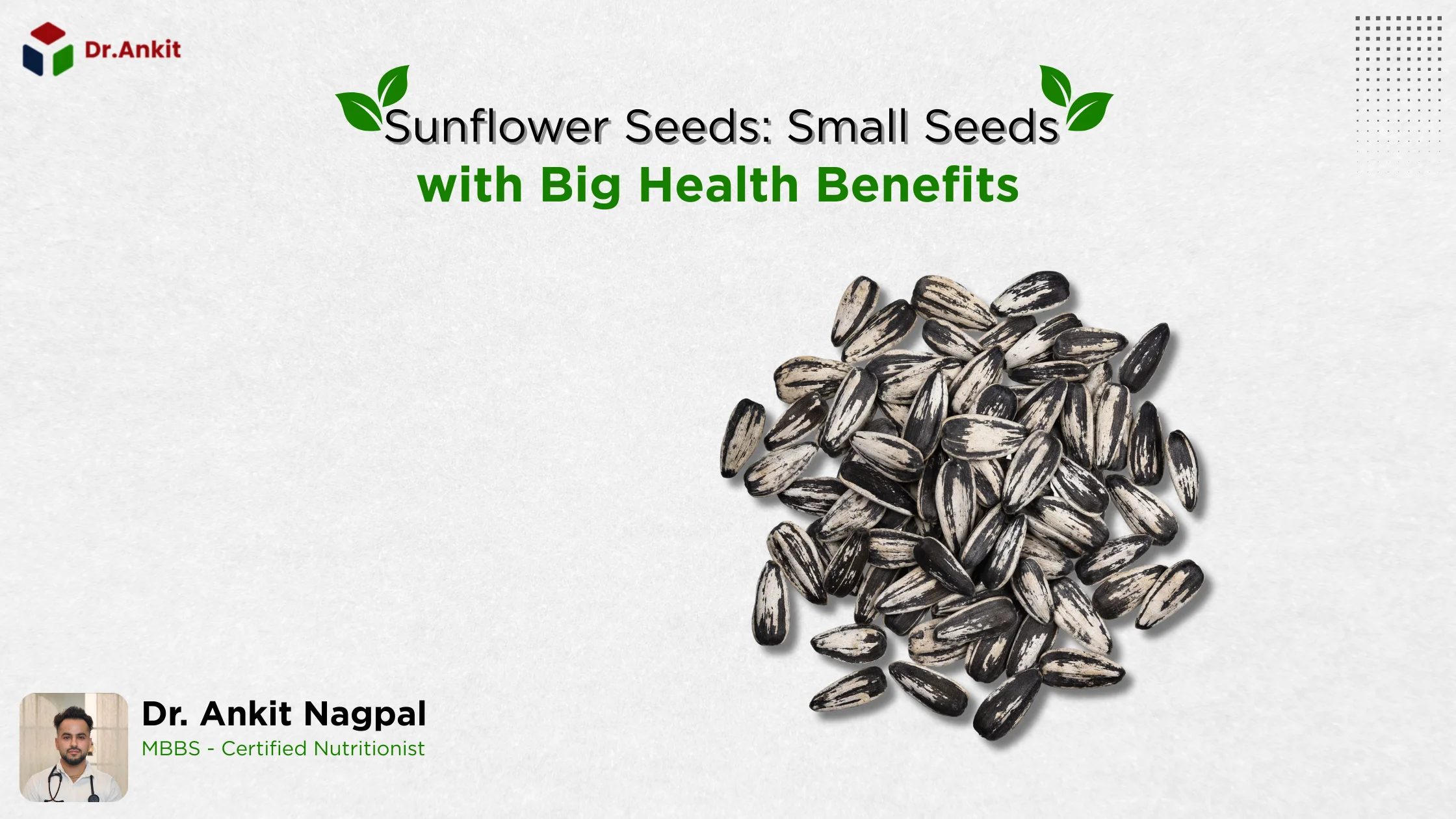
Sunflower seeds may be minute in size, but they have a heavy nutritional weight and overall health. These small seeds are packed with important vitamins, minerals, healthy fats, and plant-based protein that have the potential to sustain everything, including heart health and smooth, healthy skin. Eating sunflower seeds can enhance energy levels, improve the immune system and allow one to keep the body functioning optimally. This article dives deep into the benefits of sunflower seeds, exploring their nutritional value, specific advantages for women, potential side effects, and how you can include them in your daily meals for maximum benefit. At the bottom, you will find out the reasons why these tiny seeds should be part of your pantry and your plate.
Introduction
Hi there, I am Dr Ankit Nagpal from Ankit Nutrition Hub, well known among Ludhianvis as the Best Dietitian in Ludhiana. Today, in this blog, I will share about the benefits of sunflower seeds that have tons of nutrition hidden inside it. We tend to imagine such exotic fruits or trendy powders when we think of superfoods but sometimes we find the power of the simplest foods. Sunflower seeds are centuries old, and they are loved with regard to their versatility and nutrient richness. They are not only delicious and crunchy but also deliver a great list of health benefits that can help take care of your general health. These seeds can help to improve the health of the heart, as well as to strengthen the skin and hair, so everyone can find something. In this blog, we’ll explore why sunflower seeds are more than just a snack, their sunflowers benefits, and how to use them in ways that make them both tasty and beneficial.
Nutritional Profile of Sunflower Seeds
Sunflower seeds are a health powerhouse, as they are rich in healthy fats, plant-based protein, vitamins, and minerals. They especially contain vitamin E, magnesium, selenium, and B vitamins, which are useful in keeping the body at ease and avoiding deficiencies. Their combination of nutrients is balanced, which makes them an ideal snack or meal supplement. They are not only sources of long-term energy, but they are also healthy to the cells, and thus a must-have to every nutrition-conscious person.
Vitamins and Minerals in Sunflower Seeds
Sunflower seeds contain a lot of vitamin E, which is a potent antioxidant. Both of them also include magnesium, which is important in nerve activity and muscle contraction, and selenium which helps maintain thyroid health. Also, these seeds contain B vitamins, which aid in the conversion of food to energy.
Healthy Fats and Proteins
Polyunsaturated and monounsaturated fats contained in sunflower seeds are heart-friendly. They also contain plant-based protein and hence it is a good snack to vegetarians and anyone aiming to complement his or her protein intake naturally. Sunflower seeds’ protein content helps in muscle repair, growth, and satiety.
Benefits of Sunflower Seeds
Sunflower seeds when eaten can serve several benefits to your health. They help in maintaining the heart, keeping off weight, keeping the skin and hair healthy and even maintaining the level of sugar in the blood. Their nutrient value and anti-inflammatory nature make them a convenient supplement to a well-balanced diet. Snacking to adding to salads or yogurt, the long-term results of these seeds can be beneficial to the well-being.
Heart Health Support
Healthy fats, vitamin E and magnesium in the sunflower seeds would reduce inflammation and healthy cholesterol levels. The nutrients act synergistically to promote the functioning of the heart and prevent cardiovascular diseases.
Energy and Metabolism Boost
Sunflower seeds have nutrients that help to give sustained energy during the day. B vitamins will assist in turning food into energy and protein and healthy fats will keep you fuller longer so that you will not snack on unhealthy foods.
Sunflower Seeds Benefits for Women
The seeds of sunflowers are especially useful to women as they have high levels of nutrients. They assist in regulating hormones, maintain bones, and include antioxidants that protect skin and hair. Adding sunflower seeds to the diet of a woman will assist in regulating her menstrual wellness, increase her fertility, and keep her on track towards wellness.
Hormonal and Menstrual Support
Sunflower seeds contain magnesium and vitamin E which prevent menstrual cramps and hormonal regulation. These vitamins help regulate the balance cycle and relieve premenstrual pain on their own.
Skin and Hair Health
The sunflower seeds have antioxidants that combat free radicals that make people age prematurely. Consistent use may make the skin more elastic, the hair more durable and you look and feel more alive.
Benefits of Eating Sunflower Seeds Daily
Taking sunflower seeds in moderation every day can boost the immune system, enhance the gastrointestinal tract, and improve mental health. Their main advantage is that they are high in fiber, which promotes the health of the gut, and antioxidants present in it improve the work of the brain. Sunflower seeds can also be included on a daily basis; they have the ability to maintain normal body weight and reduce inflammation within the body.
Digestive and Gut Health
Sunflower seeds contain a lot of dietary fibre, which facilitates healthy digestion. They aid in the control of bowel movements and eliminate constipation and promote the presence of healthy gut bacteria.
Immune System Support
Sunflower seeds contain vitamin E which acts with selenium to enhance the immune system. When taken regularly, your body gets to fight infections and recovers quickly from the illness.
Potential Side Effects of Sunflower Seeds
Although sunflower seeds are very nutritious, they must be taken sparingly. Excessive use can cause weight gain since they contain high calories or digestive problems since they contain high amounts of fiber. Care must also be taken by people who have allergies. Awareness of sunflower seeds side effects ensures that you can enjoy their benefits safely without experiencing any negative impacts.
Overeating Risks
Consuming excessive amounts of sunflower seeds can result in a high calorie content in the body hence increasing weight. The required number is normally a handful daily so as to obtain nutritional benefits and not to overdo it.
Allergic Reactions
Some individuals can be allergic to sunflower seeds, although the situation is not common. These may cause itching or swelling or stomachache. It is always best to begin with small quantities to make sure that there is tolerance.
How to Include Sunflower Seeds in Your Diet
It is easy to add sunflower seeds to your meals, and they are also versatile. You may add them to salads, put them in smoothies, stir them in yogurt, or consume them as a healthy snack. Sunflower seeds are easy to include in all types of meals, who can be roasted, raw, or with a little bit of salt so that it is easy to reap the health benefits of these seeds on a regular basis.
Snack and Salad Additions
Toast a few seeds of sunflower to your salads, yogurts, or oatmeals to add a nice crunch, healthy fats, and protein. They prepare meals in a more fulfilling and healthy manner.
Smoothies and Baking
Add sunflower seeds to smoothies to increase the amount of protein and nutrients, or include them in muffins, breads, and energy bars. It is a simple method of having their benefits every day without the need to alter your daily routine.
FAQs
Yes! Sunflower seeds contain protein, fiber and healthy fats which are known to cause satiety and curb appetite, thereby maintaining a healthy body weight.
One can take enough (approximately 28-30 grams) each day to benefit in terms of their health, but not take in energy in excess.
Absolutely! Vitamin E and antioxidants present in sunflower seeds help in body of the skin and diminish free radical harm and boost hair.
The overuse may cause weight gain or digestive problems. Cautious consumption should be done by people with allergies.
Yes, sunflower seeds protein content makes them an excellent plant-based protein source, ideal for vegetarians and vegans.
Conclusion
This is in spite of the fact that sunflower seeds are small but powerful and have many health benefits, such as heart and brain support, skin and hair health, as well as hormone health. By incorporating a moderate amount into your daily diet, you can enjoy the benefits of sunflower seeds while enhancing your overall nutrition. Remember to consume them mindfully to avoid any sunflower seeds side effects, and enjoy the versatility these nutrient-packed seeds provide in your meals.